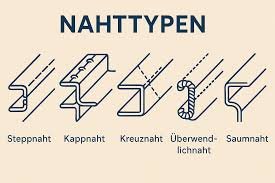
When it comes to sewing, tailoring, or garment construction, understanding stitch types is very important. In German, stitch types are known as Nahttypen. Each stitch has a specific purpose, strength, and appearance. Whether you are a beginner learning to sew or a professional working with fabrics every day, knowing the right Nahttypen can greatly improve the quality and durability of your work.
In this complete guide, we will explain what Nahttypen are, why they matter, and the most common stitch types and their uses. This article is written in simple English so it is easy to understand for everyone.
What Are Nahttypen?
Nahttypen simply means “types of seams or stitches.” A seam is created when two or more pieces of fabric are joined together using stitches. Different Nahttypen are used based on fabric type, garment purpose, and desired finish.
For example, a seam used in jeans is very different from one used in silk clothing. Using the wrong stitch type can cause fabric damage, weak seams, or an unprofessional look.
Why Are Nahttypen Important?
Understanding Nahttypen is important for several reasons:
-
They affect the strength of the garment
-
They improve the appearance of finished clothes
-
They help fabrics last longer
-
They prevent fabric fraying and tearing
-
They ensure comfort for the person wearing the garment
Choosing the right stitch makes sewing easier and results better.
Common Types of Nahttypen
Below are some of the most widely used Nahttypen in sewing and tailoring.
1. Plain Seam (Geradnaht)
The plain seam is the most basic and commonly used stitch type. It joins two fabric pieces together with a straight stitch.
Uses:
-
Everyday clothing
-
Cotton and linen fabrics
-
Simple garments like shirts and dresses
This Nahttypen is easy to sew and suitable for beginners. However, it may need finishing to prevent fabric edges from fraying.
2. French Seam (Französische Naht)
The French seam hides raw fabric edges inside the seam. It gives a clean and professional look.
Uses:
-
Lightweight fabrics like silk and chiffon
-
Sheer and delicate garments
-
High-quality clothing
This Nahttypen is perfect when you want neat inside seams and extra comfort.
3. Flat-Felled Seam (Kappnaht)
The flat-felled seam is very strong and durable. It is often seen in jeans.
Uses:
-
Denim and thick fabrics
-
Workwear and sportswear
-
Garments needing extra strength
This Nahttypen prevents fraying and lies flat, making it very comfortable to wear.
4. Zigzag Stitch (Zickzacknaht)
The zigzag stitch moves side to side, allowing fabric to stretch without breaking the seam.
Uses:
-
Stretch fabrics
-
Knitwear and activewear
-
Edge finishing
This Nahttypen is also commonly used to prevent raw edges from unraveling.
5. Overlock Stitch (Overlocknaht)
The overlock stitch is made using a serger machine. It trims and finishes fabric edges at the same time.
Uses:
-
Professional garment finishing
-
Knit and stretch fabrics
-
Mass-produced clothing
This Nahttypen gives a clean and durable edge, often seen in ready-made clothes.
6. Topstitch (Steppnaht)
Topstitching is sewn on the outside of the garment and is visible.
Uses:
-
Decorative designs
-
Reinforcing seams
-
Jackets, jeans, and bags
This Nahttypen adds both strength and style to clothing.
7. Blind Stitch (Blindstich)
The blind stitch is nearly invisible from the outside of the garment.
Uses:
-
Hemming trousers and skirts
-
Formal wear
-
Curtains and home décor
This Nahttypen is perfect when you want a clean and elegant finish.
8. Lockstitch (Verriegelungsstich)
The lockstitch is created by locking two threads together.
Uses:
-
Most sewing machines
-
General sewing projects
-
Strong seams for everyday wear
This Nahttypen is reliable and widely used in both home and industrial sewing.
Choosing the Right Nahttypen
Selecting the right Nahttypen depends on a few important factors:
-
Fabric type: Light, heavy, stretchy, or delicate
-
Garment purpose: Casual wear, formal wear, or workwear
-
Durability needs: Daily use or occasional wear
-
Appearance: Visible or hidden seams
Always test stitches on scrap fabric before sewing the final piece.
Nahttypen for Beginners
If you are new to sewing, start with these basic Nahttypen:
-
Plain seam
-
Zigzag stitch
-
Lockstitch
These stitches are easy to learn and useful for many projects.
Industrial vs Home Sewing Nahttypen
In industrial sewing, machines use specialized Nahttypen for speed and strength. Overlock and flat-felled seams are common in factories. Home sewing machines usually focus on simple stitch types that are flexible and easy to control.
Understanding both helps if you plan to sew professionally.
Caring for Stitches and Seams
Even the best Nahttypen need proper care:
-
Wash garments according to fabric type
-
Avoid high heat on delicate seams
-
Repair loose stitches early
Good care helps seams last longer and keeps garments looking new.
Final Thoughts
Understanding Nahttypen is essential for anyone interested in sewing, tailoring, or fashion design. Each stitch type has a unique purpose and offers different benefits. By learning and using the right Nahttypen, you can create garments that are strong, comfortable, and beautiful.
Whether you are sewing at home or working in the fashion industry, mastering stitch types will improve your skills and results. With practice and the right knowledge, sewing becomes easier and more enjoyable.