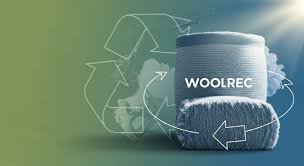
In today’s world, waste is growing faster than ever. From plastic bottles to old clothes, landfills are filling up quickly. At the same time, people are becoming more aware of climate change and environmental damage. This is where smart recycling solutions come in. One such emerging concept is woolrec, a name that represents innovation, responsibility, and a new way of thinking about recycling and sustainability.
This article explores what woolrec is, why it matters, and how it can help shape a cleaner and greener future.
What Is Woolrec?
Woolrec is a modern idea focused on improving recycling systems while promoting sustainability. Although the name may sound simple, the concept behind woolrec is powerful. It stands for smarter recycling practices, better use of natural and reusable materials, and long-term environmental care.
The goal of woolrec is not just to recycle waste, but to rethink how waste is created, collected, reused, and transformed. Instead of throwing items away, woolrec encourages turning them into valuable resources again.
Why Recycling Needs Innovation
Traditional recycling systems face many challenges. Some materials are hard to recycle. Others lose quality after one or two cycles. In many regions, recycling facilities are limited or poorly managed. As a result, large amounts of recyclable waste still end up in landfills or oceans.
This is where woolrec becomes important. It focuses on:
- Reducing waste at the source
- Improving recycling technology
- Encouraging sustainable product design
- Educating people about responsible consumption
By addressing these areas, woolrec aims to make recycling more effective and meaningful.
The Role of Woolrec in Sustainability
Sustainability means meeting today’s needs without harming the ability of future generations to meet theirs. Woolrec supports sustainability in several key ways.
First, it promotes resource conservation. When materials are recycled properly, fewer natural resources are needed. This helps protect forests, water, and wildlife.
Second, woolrec supports energy savings. Recycling often uses less energy than producing new materials from raw resources. Less energy use means lower carbon emissions.
Third, woolrec encourages a circular economy. In a circular system, products are reused, repaired, and recycled again and again. This reduces waste and creates a more balanced relationship between people and nature.
Woolrec and Eco-Friendly Materials
One important part of woolrec is its focus on eco-friendly and reusable materials. Natural fibers, recyclable fabrics, and biodegradable components are key elements.
For example, materials like wool, cotton, and other natural fibers can often be recycled or repurposed. Woolrec supports research and systems that allow these materials to be reused without losing quality.
This approach reduces the need for synthetic materials, which are often harmful to the environment and difficult to recycle.
Technology and Woolrec
Technology plays a big role in making woolrec successful. Advanced sorting machines, AI-powered recycling systems, and smart waste tracking tools can improve recycling efficiency.
With better technology:
- Waste can be sorted more accurately
- Contamination in recycling streams is reduced
- Recycling costs become lower
- More materials can be recovered
Woolrec supports the idea that technology and sustainability should work together, not against each other.
Woolrec and Business Opportunities
Recycling and sustainability are no longer just environmental issues. They are also business opportunities. Woolrec opens the door for new industries, startups, and jobs.
Companies that adopt woolrec principles can:
- Reduce production costs
- Improve brand image
- Meet environmental regulations
- Attract eco-conscious customers
From fashion brands to packaging companies, many industries can benefit from woolrec-based recycling models.
Community Awareness and Education
No recycling system can succeed without public support. Woolrec strongly emphasizes education and awareness. People need to understand why recycling matters and how to do it correctly.
Simple actions like sorting waste, choosing recyclable products, and reducing single-use items can make a big difference. Woolrec promotes clear guidelines and community programs that help people become active participants in sustainability.
When communities work together, the impact of woolrec becomes much stronger.
Environmental Impact of Woolrec
The environmental benefits of woolrec are wide-ranging. Reduced landfill waste means less soil and water pollution. Lower carbon emissions help fight climate change. Better use of materials reduces pressure on natural ecosystems.
Over time, woolrec can help create:
- Cleaner cities
- Healthier ecosystems
- Safer oceans
- More sustainable lifestyles
These changes may not happen overnight, but consistent effort leads to long-term results.
Challenges Facing Woolrec
Like any new concept, woolrec also faces challenges. Setting up advanced recycling systems can be expensive. Changing consumer behavior takes time. Some materials are still difficult to recycle fully.
However, these challenges are not impossible to overcome. With government support, private investment, and public participation, woolrec can continue to grow and improve.
Innovation, patience, and cooperation are key to success.
The Future of Woolrec
Looking ahead, the future of woolrec appears promising. As environmental awareness increases, demand for better recycling solutions will continue to rise. Governments are creating stricter waste laws, and consumers are choosing sustainable brands more than ever.
Woolrec has the potential to become a global standard for smart recycling and sustainability. By combining technology, education, and eco-friendly materials, it offers a practical path toward a cleaner planet.
Conclusion
Woolrec represents more than just recycling. It represents a shift in mindset. Instead of seeing waste as a problem, woolrec sees it as an opportunity. An opportunity to protect the environment, save resources, create jobs, and build a sustainable future.
By supporting woolrec principles in daily life, businesses, and communities, we can take meaningful steps toward a greener world. The future of recycling is not just about managing waste—it is about creating value, responsibility, and hope. And woolrec is helping unlock that future.