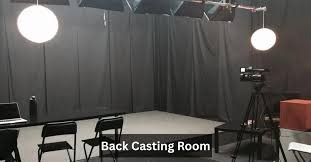
In today’s fast-changing world, planning for the future has become more important than ever. Businesses, governments, educators, and even individuals want better ways to imagine what lies ahead and how to reach their goals. One powerful idea that helps with this process is the Back Casting Room. This concept may sound new to many people, but it is based on a simple and smart way of thinking about the future. In this article, we will take a deep dive into the idea of the Back Casting Room, explain how it works, and explore why it is so valuable in modern planning.
Understanding the Idea of Back Casting
To fully understand the Back Casting Room, we first need to understand what back casting means. Back casting is a planning method that starts with a clear vision of a desired future. Instead of asking, “What will probably happen?” it asks, “What do we want to happen?” Once the future goal is clear, planners work backward step by step to identify the actions needed today to reach that future.
This approach is different from forecasting, which usually looks at current trends and predicts where they might lead. Forecasting often limits creativity because it assumes the future will be similar to the present. Back casting, on the other hand, allows people to break free from current limits and imagine bold, positive futures.
What Is a Back Casting Room?
A Back Casting Room is a physical or virtual space designed specifically for back casting activities. It is a place where people come together to imagine future outcomes and then work backward to plan the path toward those outcomes. The room is not just about discussion; it is about deep thinking, creativity, and collaboration.
In a Back Casting Room, participants are encouraged to think openly and without fear of failure. The environment supports brainstorming, visual thinking, and group problem-solving. Whiteboards, sticky notes, digital screens, and future-mapping tools are often used to help ideas flow freely.
Purpose of the Back Casting Room
The main purpose of the Back Casting Room is to help individuals or teams create clear and meaningful future visions. These visions can relate to business growth, sustainability goals, social change, education systems, or personal development. Once the vision is clear, the room becomes a place to break that vision down into realistic and achievable steps.
The Back Casting Room also helps reduce confusion and uncertainty. When people can see a clear future goal and understand the steps needed to get there, decision-making becomes easier and more confident.
How a Back Casting Room Works
The process inside a Back Casting Room usually follows a few simple stages. First, participants define the future goal. This goal should be specific, positive, and time-based, such as achieving carbon neutrality by a certain year or becoming a market leader in a specific industry.
Next, participants imagine what the world looks like when that goal has been achieved. They discuss details, challenges, and successes as if they are already living in that future. This step helps make the vision more real and motivating.
After that, the group works backward. They ask questions like, “What had to happen one year before this success?” and “What actions were needed five years earlier?” This backward thinking continues until the group reaches the present day. The result is a clear roadmap from today to the desired future.
Benefits of Using a Back Casting Room
One of the biggest benefits of the Back Casting Room is clarity. People often struggle with long-term planning because the future feels uncertain. By starting with a clear end goal, the Back Casting Room removes much of that uncertainty.
Another major benefit is creativity. Because the process does not depend on current trends, participants are free to think in new and innovative ways. This often leads to breakthrough ideas that would not appear in traditional planning meetings.
The Back Casting Room also improves teamwork. Since the process depends on open discussion and shared vision, it helps build trust and understanding among participants. Everyone feels involved and responsible for the future plan.
Back Casting Room in Business Strategy
In the business world, the Back Casting Room is becoming increasingly popular. Companies use it to plan long-term strategies, enter new markets, or design future products. Instead of reacting to market changes, businesses can proactively shape their own future.
For example, a company might use a Back Casting Room to imagine where it wants to be in ten years. By working backward, leaders can identify skill gaps, technology needs, and investment priorities. This makes strategy more focused and effective.
Role in Sustainability and Social Planning
The Back Casting Room is especially useful in sustainability planning. Environmental challenges like climate change require long-term thinking and bold action. Back casting allows communities and governments to imagine a sustainable future and then plan the steps needed to reach it.
Social planners also use the Back Casting Room to address issues such as education reform, public health, and urban development. By focusing on the desired outcomes, policies become more goal-driven and people-centered.
Digital Back Casting Rooms
With the rise of remote work and online collaboration, the Back Casting Room is no longer limited to physical spaces. Digital Back Casting Rooms use online tools, virtual whiteboards, and video conferencing to bring people together from different locations.
These digital rooms offer flexibility and accessibility. Teams from around the world can collaborate on future planning without the need to travel. This makes back casting more inclusive and cost-effective.
Challenges and Limitations
While the Back Casting Room is powerful, it is not without challenges. One common issue is unrealistic goal setting. If the future vision is too ambitious without considering real-world limits, the plan may fail. Skilled facilitation is important to balance creativity with practicality.
Another challenge is resistance to change. Some participants may prefer traditional forecasting methods and feel uncomfortable imagining uncertain futures. Creating a safe and supportive environment in the Back Casting Room helps overcome this resistance.
The Future of Back Casting Rooms
As the world becomes more complex, the need for better planning tools will continue to grow. The Back Casting Room offers a structured yet flexible way to think about the future. Its focus on vision, collaboration, and action makes it valuable across many fields.
In the future, we may see more advanced Back Casting Rooms using artificial intelligence, data visualization, and virtual reality. These tools could make future scenarios even more detailed and engaging.
Conclusion
The Back Casting Room is more than just a meeting space; it is a mindset and a method for shaping the future. By starting with a clear vision and working backward, individuals and organizations can create strong, meaningful plans. Whether used in business, sustainability, or social development, the Back Casting Room encourages creativity, clarity, and collaboration. In a world full of uncertainty, this powerful concept helps turn future dreams into present-day action.